Source Automatic Wire Crimping and Stripping Ultrasonic Welding Machine for Electronics, Auto, Lighting
Find and compare 28 automatic wire crimping and stripping ultrasonic welding machine options from China. Evaluate models like JWD-TB3-2020A and YH-X2020A based on power, voltage, and control type for your manufacturing needs.
Key considerations
Products List


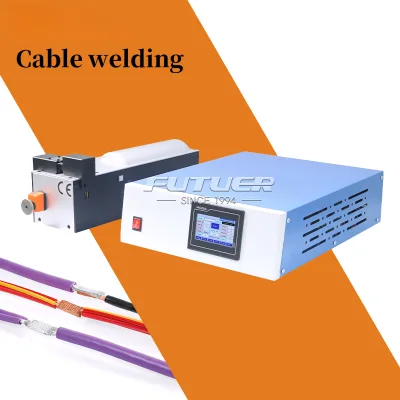


Comprehensive Sourcing Guide
Automatic Wire Crimping and Stripping Ultrasonic Welding Machine Sourcing Guide
The integration of automatic wire crimping, stripping, and ultrasonic welding capabilities into a single unit represents a significant advancement for high-volume manufacturing environments where precision and repeatability are paramount. These machines are designed to streamline the production of electrical harnesses, battery packs, and electronic assemblies by eliminating manual handling steps that often introduce variability. Buyers should recognize that while the core function involves joining conductive materials without filler metals, the specific configuration of the crimping and stripping modules must align with the wire gauges and insulation types used in their specific production lines.
When evaluating the market, it is essential to distinguish between fully automatic systems and semi-automatic variants, as the operational workflow differs significantly. The observed product landscape includes models with varying control modes, ranging from manual operation to fully automated sequences driven by electric motors and cam transmissions. Procurement decisions should be guided by the required throughput and the level of operator intervention acceptable within the facility, ensuring the selected machine matches the intended production rhythm without creating bottlenecks or unnecessary labor costs.
Product Scope and Observed Listing Signals
The current market for these machines reveals a diverse range of configurations, including portable, fixed, and desktop styles that cater to different spatial constraints and production scales. Listings indicate the availability of units with specific model identifiers such as JWD-TB3-2020A, MD, and various YH series models, each tailored for distinct applications ranging from general electronic assembly to specialized automotive and lighting industry needs. Buyers must carefully map these model numbers to their specific requirements, as the physical dimensions and standard packaging, such as plywood boxes or wooden cases, vary significantly between portable and fixed industrial units.
A critical observation in the product scope is the variation in driven types and control systems, with many units operating on electric power and featuring semi-automatic or automatic control modes. The welding area capabilities observed span from 0.5 to 30 mm², indicating that these machines are suitable for a wide spectrum of wire sizes, from fine signal cables to heavier power conductors. Procurement teams should verify that the specific model selected supports the required electrode stroke, whether vertical or otherwise, and confirm the conductive way, such as one-sided or both-sided welding, to ensure compatibility with the existing fixture design and part geometry.
Technical Specifications to Verify
Technical due diligence must begin with the power and frequency parameters, as these directly influence the quality of the weld and the machine's ability to handle different material thicknesses. The observed data includes working frequencies of 20kHz and intermediate frequency ranges, alongside power ratings up to 4000W, which suggests that high-power applications require careful matching of the generator to the transducer system. Buyers should verify the working voltage, typically AC220V or DC shock wave configurations, and ensure the facility's power infrastructure can support the specific electrical current requirements of the chosen unit to prevent operational instability.
The mechanical and operational specifications, including working air pressure and transmission types, are equally critical for maintaining consistent performance over long production runs. Units with motor-cam transmissions and air cooling systems are common, but the specific working air pressure range, observed between 0.05 and 0.9MPa, must be compatible with the plant's compressed air supply. Additionally, the axis configuration, such as single-axis setups, and the control mode, whether manual or automatic, must be validated against the production line's automation level to ensure seamless integration and efficient workflow management.
Compliance and Safety Documentation
Safety and regulatory compliance are non-negotiable aspects of sourcing industrial welding equipment, particularly when the machinery involves high-frequency ultrasonic vibrations and electrical components. The presence of CE certification in the observed product data indicates that certain models meet the essential health and safety requirements for the European market, but buyers must confirm that this certification applies to the specific configuration being purchased. It is vital to request the full technical file and declaration of conformity to ensure that the machine adheres to relevant directives regarding electromagnetic compatibility and low voltage safety.
Beyond certification, the warranty and condition of the equipment provide a baseline for risk management and long-term operational reliability. Most observed listings offer a 12-month warranty for new condition units, which serves as a standard benchmark for supplier confidence in product durability. Procurement teams should verify the scope of this warranty, including coverage for critical components like the generator and transducer, and ensure that the supplier provides clear documentation on maintenance procedures and the availability of spare parts to minimize downtime in the event of a failure.
Cost Drivers and Commercial Terms
The total cost of ownership for automatic wire crimping and stripping ultrasonic welding machines is influenced by several factors beyond the initial purchase price, including the complexity of the control system and the specific customization options available. While the observed price range is broad, the inclusion of advanced features such as automatic control modes, specific electrode strokes, and specialized applications for the auto or communication industries can significantly drive up the cost. Buyers should analyze the value proposition of these features against their production volume to determine if a semi-automatic or fully automatic system offers the best return on investment.
Commercial terms, including minimum order quantities and packaging standards, also play a crucial role in the procurement process. The observed data indicates a minimum order quantity of one unit for many listings, which facilitates the acquisition of single machines for pilot lines or small-scale operations. However, the packaging method, ranging from cartons to wooden cases, must be evaluated for its ability to protect the equipment during international shipping, especially given that the origin of these machines is often China or specific regions like Kunshan. Buyers should negotiate shipping terms that account for the weight and dimensions of the machine to avoid unexpected logistics costs.
Supplier Qualification and Quality Control
Supplier qualification requires a rigorous assessment of the manufacturer's ability to deliver consistent quality and technical support, particularly for complex machinery involving ultrasonic welding technology. The origin of the products, often listed as China or specific industrial hubs, suggests a concentration of manufacturing expertise, but buyers must verify the supplier's track record in delivering machines that meet the specific application requirements of the auto, lighting, or electrical industries. Requesting references from existing clients in similar sectors can provide valuable insights into the supplier's reliability and the actual performance of their equipment in real-world production environments.
Quality control processes should extend beyond the initial inspection of the machine to include a comprehensive acceptance test plan that validates all critical specifications. Buyers should insist on witnessing a factory acceptance test (FAT) where the machine is demonstrated with the actual wire types and crimping dies to be used in production. This verification step ensures that the welding area, frequency, and control modes perform as advertised and that the machine can achieve the required weld strength and consistency before it is shipped to the buyer's facility.
Long-Term Procurement Checks
Establishing a robust long-term procurement strategy involves regular monitoring of the machine's performance and adherence to maintenance schedules to prevent premature wear and tear. The observed specifications, such as the 12-month warranty and the specific cooling and transmission methods, highlight the importance of regular maintenance to ensure the longevity of the electric motor and cam transmission systems. Buyers should develop a preventive maintenance plan that includes periodic checks of the electrode stroke, air pressure systems, and electrical connections to maintain optimal welding quality and operational efficiency.
Finally, the scalability of the procurement relationship is essential for future growth and potential upgrades to the production line. As production volumes increase or product designs evolve, the ability to source additional units or upgrade existing machines with new control modules and customization options becomes critical. Buyers should maintain open communication with the supplier regarding future technology trends and ensure that the current machine architecture allows for easy integration of new features, thereby protecting the initial investment and supporting long-term operational flexibility.
FAQs
What certifications do these machines have?
The machines carry CE certification, ensuring compliance with European safety standards for industrial equipment. This certification is a standard attribute across the listed models, providing assurance for international buyers regarding operational safety and regulatory adherence in manufacturing environments.
Can the machines be customized for specific needs?
Yes, customization is available for these ultrasonic welding machines. Buyers can request specific modifications to suit unique production requirements, allowing for tailored solutions that integrate seamlessly into existing assembly lines or specialized manufacturing workflows without compromising core functionality.
What is the warranty period for these units?
The standard warranty period is 12 months for these new condition machines. This coverage applies to the listed models, providing buyers with a year of support and protection against manufacturing defects, ensuring reliability and peace of mind for initial operational phases.
How are these machines packaged for shipping?
Packaging varies by model, including plywood boxes, wooden cases, or cartons. This variation depends on the specific machine type and size, ensuring safe transit and protection against damage during international shipping, with packaging standards aligned with the physical dimensions of each unit.
What is the origin of these welding machines?
These machines originate from China, with some specific models sourced from Kunshan. This geographic origin indicates the manufacturing hub, allowing buyers to assess logistics, supply chain stability, and regional expertise in producing industrial ultrasonic welding equipment for global distribution.
What power specifications do these machines use?
Operating voltages include AC220V and 220V, with power ratings up to 4000W for certain models. These electrical specifications ensure compatibility with standard industrial power supplies, while the electric drive type supports efficient operation for wire crimping and stripping tasks in various settings.